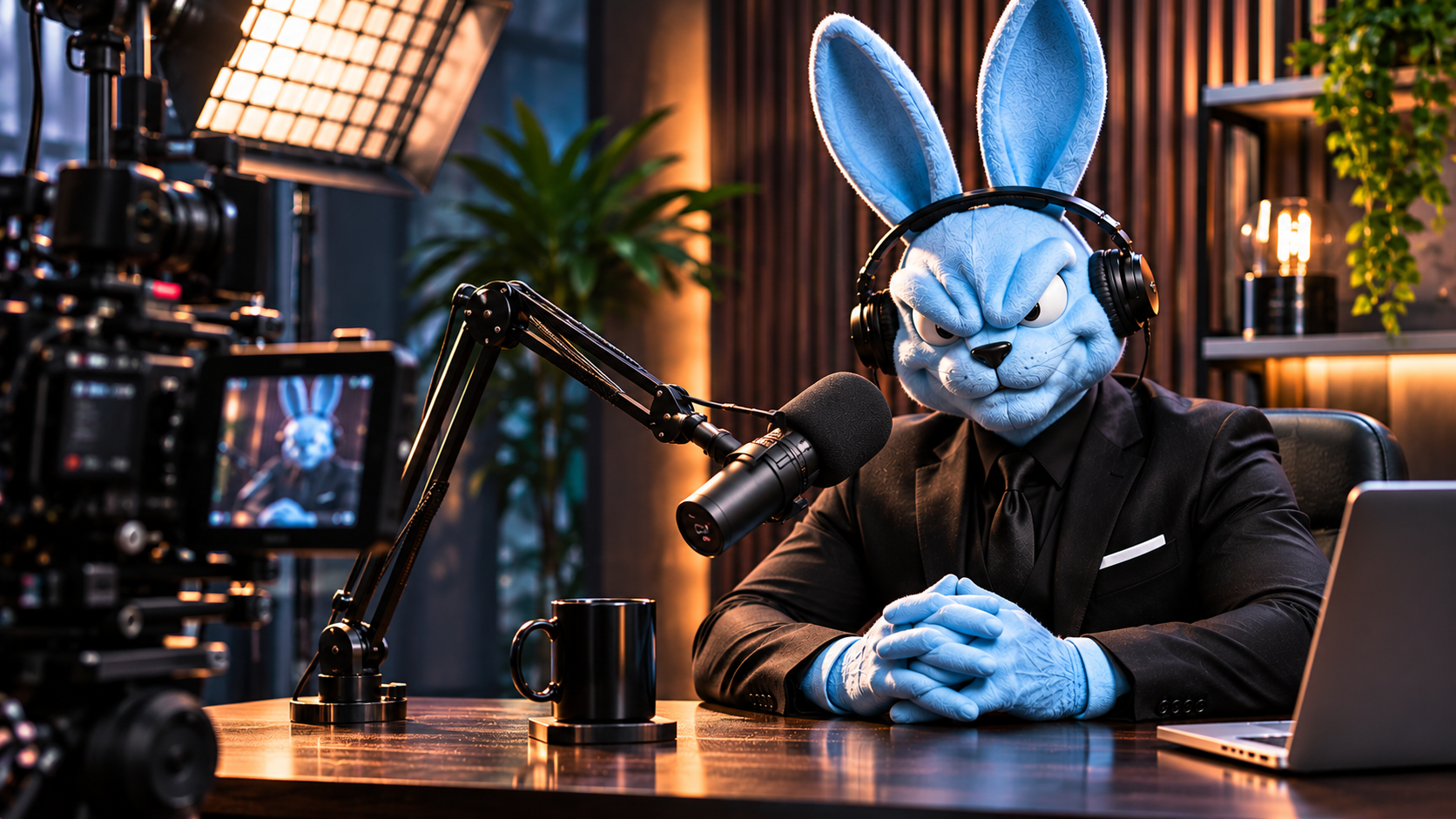
A great podcast can sound intelligent and still look forgettable. One locked-off camera, flat overhead lighting, a distracting room, and uneven audio can make an expert conversation feel like an afterthought. Podcast video production services change that equation by treating the episode as a visual brand asset, not simply a recording of people talking.
For businesses, public-facing leaders, creative brands, and organizations, the goal is bigger than putting full episodes on YouTube. The right production turns one conversation into a library of material built for websites, social channels, sales outreach, internal communications, and audience trust. The camera is not there to prove the podcast happened. It is there to give the brand a presence.
Why Video Changes the Value of a Podcast
Audio creates intimacy. Video adds context, personality, and proof. Viewers see the pause before a difficult answer, the confidence behind an idea, the chemistry between a host and guest, and the small gestures that make a conversation human. For a founder, executive, artist, or subject-matter expert, those details carry as much brand weight as the words themselves.
Video also gives a podcast more places to live. A 45-minute interview may be the centerpiece, but its most valuable moments often arrive as concise clips: a sharp point of view for LinkedIn, an energetic exchange for Instagram, a useful answer for a sales team, or a behind-the-scenes moment that makes a company feel accessible. The full episode builds depth. Short-form edits create discovery.
That does not mean every podcast needs a dramatic studio build or a five-camera shoot. A weekly internal leadership show has different needs than a luxury real estate series, a music interview program, or a founder-led brand platform. Production should follow the audience, distribution plan, and visual identity rather than chase a generic “podcast studio” look.
What Podcast Video Production Services Should Cover
The strongest production partners think from the first idea through the final export. That begins before cameras roll. Pre-production defines the episode format, guest flow, visual references, set design, crew needs, technical plan, and the kinds of clips the team intends to pull afterward. This planning is where a repeatable series becomes easier to produce and more consistent to watch.
The Set Is Part of the Story
A set communicates before anyone speaks. A clean, modern environment may support a corporate leadership show. Rich texture, controlled shadows, color accents, art direction, or a Miami location with real atmosphere may better suit a culture-driven brand. The right setting should feel authored without competing with the people in the frame.
Lighting does much of the invisible work. It shapes skin tones, separates subjects from the background, controls reflections, and gives the image dimension. Cinematic does not have to mean dark, but it should feel intentional. A flat room can be transformed with thoughtful key lighting, practical fixtures, negative fill, and color choices that belong to the brand.
Camera Direction Makes Conversation Watchable
Podcast video is often underestimated because the action seems simple: people seated, speaking into microphones. But a visually compelling conversation requires coverage. A wide shot establishes the space and relationship between speakers. Individual angles capture reactions and allow editors to control pacing. Detail shots of hands, notes, equipment, or the environment can add rhythm without becoming decorative noise.
Camera placement must also serve the guest experience. People speak more naturally when they are not surrounded by intrusive gear or asked to hold an uncomfortable pose. A capable crew builds a technical setup that feels calm on set, giving hosts room to listen rather than perform for the lens.
Audio Is the Non-Negotiable Layer
Beautiful imagery cannot rescue unusable sound. Professional podcast production accounts for microphone selection, placement, room acoustics, recording redundancy, headphone monitoring, gain staging, and audio cleanup in post. The difference is often subtle when done well, which is exactly the point. The audience should hear the ideas, not HVAC hum, table bumps, clipped peaks, or a room that sounds like an empty lobby.
Remote guests add another variable. They can still work when a production team provides clear technical instructions, a reliable platform, and a recording workflow designed for stable local capture. But remote video rarely carries the same visual energy as an in-person conversation. If the episode is a marquee brand moment, bringing key guests into a controlled environment is usually worth considering.
From One Shoot to a Content Engine
The raw recording is only the beginning. Editing determines whether the episode moves with purpose or drifts. Long-form edits may include multicamera switching, color grading, audio mixing, branded openers, lower thirds, chapter moments, motion graphics, and captions where appropriate. The final piece should feel polished without burying the conversation under effects.
Then comes the real multiplication of value. An experienced team can identify short segments built around strong claims, useful advice, personal stories, moments of tension, or memorable reactions. These clips need their own editorial logic. A good social cut establishes context quickly, retains the emotional or informational payoff, and uses framing and captions that work on a phone screen.
The production plan should identify deliverables before the interview begins. If vertical clips matter, frame with vertical crops in mind. If a brand needs clean pull quotes for campaign creative, ask questions that invite concise answers. If an episode will support a product launch, weave the right themes into the run of show without making the conversation feel like a commercial.
This is where a full-service visual team has an advantage. Photography, b-roll, product footage, drone visuals, motion design, and event coverage can be integrated into the same visual ecosystem. Rather than creating isolated assets, the brand builds a world its audience can recognize from a thumbnail, a reel, or a full episode.
Choosing the Right Level of Production
Budget is not simply a question of how many cameras are in the room. It is a question of what the content must accomplish. A straightforward, recurring executive podcast may need a dependable studio setup, efficient crew, clean branding, and fast post-production. A flagship interview series intended to position a company as a category leader may benefit from custom art direction, premium lighting, multiple camera operators, a dedicated producer, cinematic b-roll, and more ambitious editorial treatment.
Consistency often matters more than excess. A polished format that can be produced monthly is more valuable than an elaborate premiere followed by nine months of silence. The practical approach is to create a visual system that can scale: defined lighting, repeatable camera positions, a set language, graphics templates, and an editorial rhythm that still leaves room for special episodes.
Ask prospective production partners how they handle pre-production, on-set sound, backup recording, revisions, clip selection, brand graphics, file delivery, and turnaround. Also ask to see work that resembles the level of conversation and audience you want to reach. A music video reel may prove visual talent, but it does not automatically prove the team knows how to make a 60-minute executive dialogue feel alive.
The Difference Between Recorded and Produced
A recorded podcast documents a conversation. A produced podcast uses every creative and technical choice to make that conversation feel worth entering. The distinction shows up in the way guests are prepared, how the room is shaped, whether audio is clean, how edits hold attention, and whether the finished assets have a clear job after release.
At Blue Bunny Productions, that approach draws from broadcast discipline, cinematic image-making, and commercial brand thinking. The result is not a glossy veneer pasted onto an ordinary interview. It is an environment where a brand’s people, ideas, and point of view can carry real visual gravity.
Before booking a shoot, decide what you want an audience to feel after watching: informed, energized, reassured, challenged, or closer to the people behind the brand. That answer will guide the set, the questions, the lighting, the edit, and every frame that follows.
What to include in your podcast production request
Share the number of episodes, guest and host count, desired set or venue, target recording dates, episode length, audio distribution needs, camera angles, graphics, livestream requirements if any, and final deliverables such as full episodes, transcripts, captions and vertical highlight clips. Confirm whether you need a single filming day or ongoing production and how many revisions each episode will require. A complete brief lets a Miami production team plan the right crew, lighting, microphones, recording backups and editing workflow—and produce a realistic quote.
Explore our full-service Miami video production capabilities.
Planning a branded video podcast or a series of executive interviews? Request a custom production quote.