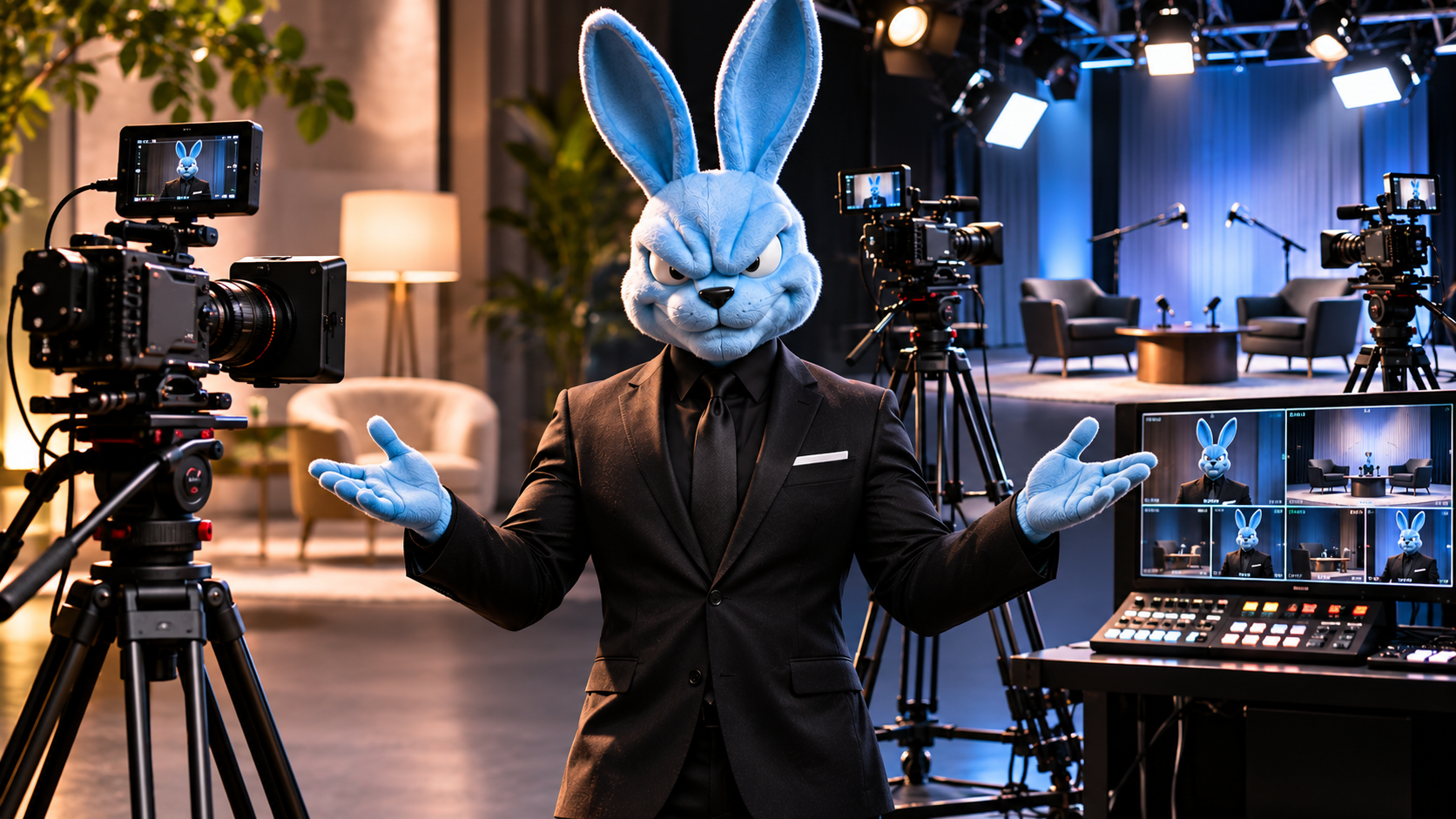
A CEO delivers the perfect line. The room is alive, the light is right, and the moment lands - except the only camera was resetting for a close-up. That is the real tension behind single camera versus multicamera production. The choice is not about how many lenses enter the room. It is about what your story can afford to miss, how much control it needs, and where the final piece has to perform.
For a Miami brand shooting a polished campaign, a live panel, a product launch, or an artist performance, the right approach changes the visual language from the first production meeting. One method can feel composed, intimate, and cinematic. The other can preserve real-time energy with the coverage to prove it happened. Neither is automatically more premium. Each is built for a different kind of truth.
Single Camera Versus Multicamera Production: The Core Difference
Single-camera production records a scene with one primary camera at a time. The crew captures a wide shot, then changes position, lens, lighting, or blocking to capture mediums, close-ups, details, and alternate angles. In a controlled commercial, documentary interview, brand film, or narrative-style social campaign, that process creates room for precision.
Multicamera production uses two or more cameras simultaneously. One camera might protect the wide master while another catches the speaker's close-up, a third watches audience reactions, and a fourth moves for dynamic detail. It is a natural fit for live streams, conferences, performances, interviews with limited availability, sporting events, and any situation that cannot be repeated on command.
The distinction sounds technical, but it reaches all the way to the edit. Single-camera footage is built shot by shot, often with more deliberate lighting and composition for every frame. Multicamera footage is built around continuity, coverage, and the ability to move between angles without losing the live moment.
When One Camera Creates a Bigger Screen Presence
A single-camera setup is often the strongest choice when image-making itself carries the message. Think of a luxury product film where reflections must be sculpted, a founder story where the interview needs emotional proximity, or a fashion-forward campaign that lives on texture, movement, and carefully controlled color.
With one camera, the director and cinematographer can give each setup full attention. Lighting can be shaped for the exact angle. A product can be repositioned by an inch. Talent can repeat a movement until it feels effortless instead of rehearsed. The camera can move with purpose: a slow push toward a founder's turning point, a low angle that gives a product presence, or a handheld passage that feels immediate and human.
This does not mean a single-camera project is simple or inexpensive. It can demand more time because coverage is captured sequentially. If an actor has five lines and the final edit needs three angles, those lines may be performed several times. A location must stay consistent, wardrobe needs continuity, and the production schedule must allow for resets.
That investment pays off when the goal is a film with a designed visual rhythm. For commercials, music videos, documentary profiles, scripted social ads, and cinematic corporate stories, a single camera can make each image feel chosen rather than merely captured.
Where single camera needs protection
The limitation is obvious when the moment is unrecoverable. A surprise announcement, a live audience reaction, a wedding-style first look, or an executive who has only ten minutes available cannot always be recreated from multiple angles. In those cases, the elegance of a single-camera plan can become a coverage risk.
A skilled crew can reduce that risk through thoughtful blocking, rehearsal, and selective pickups. But if the client needs a wide shot, reaction shot, speaker close-up, and usable social clips from one live event, one camera may force compromises that appear later in the edit bay.
Why Multicamera Production Wins the Live Moment
Multicamera production is designed for momentum. When a keynote begins, a band steps onstage, or a panel discussion turns unexpectedly electric, multiple cameras allow the production to hold the room from several perspectives at once.
For corporate events and live streaming, that coverage is more than insurance. It is a practical way to create deliverables with range. The wide shot establishes scale. Clean close-ups give speakers authority. Audience cutaways create pacing. Detail shots of branded signage, hands, products, and screens give the editor transitions that make a recap feel intentional rather than archival.
It also protects authenticity. People often deliver their best unscripted responses only once. A second camera can catch the listener's reaction while the primary camera stays with the speaker. A third can preserve the full exchange. For testimonials, executive conversations, and documentary work, those simultaneous angles can keep an emotional moment intact.
In a live-streaming environment, multicamera coverage lets a technical director switch angles in real time. The broadcast feels considered, even as it unfolds. The same footage can then be repurposed into event recaps, speaker clips, vertical social edits, internal communications, and promotional assets.
The multicamera trade-off
More cameras do not automatically equal better images. They create more coordination. Cameras must avoid seeing each other, lighting has to work from several angles, and crew movement needs to remain invisible. Audio, timecode, media management, and communication between departments all become more involved.
There is also a stylistic compromise. A lighting setup designed to look extraordinary from one controlled angle may need to become broader and more forgiving when three cameras are working at once. That is not a failure of multicamera production. It is the price of protecting the entire room.
Budget, Schedule, and the Hidden Cost of Coverage
Clients often assume single camera means lower cost and multicamera means higher cost. Sometimes that is true. More cameras typically mean more camera operators, additional lenses, support gear, media, monitoring, and post-production organization.
But the better question is: what does reshooting cost? If a live event has one chance to happen, multicamera coverage can be the more efficient option because it captures the assets in a single pass. It may reduce the need for staged pickups, separate B-roll sessions, or a second event day.
Single-camera production can be especially efficient for a short, planned shoot with a limited cast and a tightly defined shot list. It becomes less efficient when the creative requires extensive setups, multiple locations, or a large volume of final assets. A one-camera commercial may use a lean crew, but it still needs the time and craftsmanship to earn its cinematic finish.
Post-production changes the equation, too. Multicamera edits require syncing, organizing, and reviewing simultaneous footage, though this workflow is highly manageable with a disciplined production pipeline. Single-camera edits may involve fewer clips at once, yet often require more shaping through pacing, sound design, color work, and visual continuity.
Choose Based on the Moment, Not the Gear Count
Start with what cannot be lost. If the project centers on a live conversation, performance, event, or broadcast, choose multicamera coverage or a hybrid approach. If the project centers on atmosphere, visual control, and crafted storytelling, single camera is usually the stronger creative foundation.
Then consider how the content will live after launch. A 60-second brand film may thrive on a few exceptional frames. A conference may need dozens of speaker clips, vertical edits, audience moments, and a full recording. The deliverable plan should shape the camera plan before the shoot day begins.
The strongest productions often combine both philosophies. A commercial shoot may use two cameras for a one-time performance, then return to a single-camera approach for controlled product beauty shots. An event team may run several cameras during the program and dedicate one operator to cinematic B-roll before doors open. Blue Bunny Productions approaches that decision as a story and logistics question, not a gear package upsell.
A camera setup should never be chosen because more equipment looks impressive on set. Choose the configuration that gives your message the room to breathe, your audience the right perspective, and your team the footage they will still be grateful to have when the moment is gone.
A practical brief for choosing your camera coverage
Tell your production partner whether the event is live or repeatable; how many speakers or performers need simultaneous coverage; whether screens require IMAG, recording or livestream outputs; the venue, stage, lighting and sound constraints; how many vertical or horizontal edits you need; and whether there is time for a camera rehearsal. A single cinematic camera can be ideal for a controlled brand film, while conferences and panels may need multiple operated cameras, switching, redundant recording and clear audio routing. In Miami, available crew, venue access and post-production expectations should drive the recommendation—not a fixed camera count.
Explore our Miami corporate video and multicamera production services.
Planning a live event, executive interview or brand film? Request a custom production quote.