Canon C50 vs Nikon ZR Which Cinema Camera is just a Dressed up Pig with lipstick
Updated: Aug 12
Selecting the Right Camera for Film Production: Canon C50 vs Nikon ZR
Selecting the right camera for film production can shape the outcome of your project. The debate between the Canon C50 and the Nikon ZR revolves around more than just cost. It’s essential to explore the cameras’ features, strengths, and weaknesses, providing insight into which one is the more practical choice for filmmakers.

Canon C50: A Purpose-Built Cinema Body
The Canon C50 is crafted explicitly for cinema, featuring capabilities that resonate with professional demands. One of its key strengths is the combination of Digital IS and Optical IS support, a dual stabilization system that is not commonly found in cinema cameras like those from ARRI and RED, which often require stabilization rigs. This built-in stabilization allows for smooth shots, reducing the necessity for additional equipment.
In practical terms, this system can lead to smoother footage, especially during dynamic shots, where camera shake can spoil the take. Filmmakers capturing action scenes or handheld footage may find this feature crucial. For instance, during a recent short film shoot, a director noted that the Canon C50's dual stabilization resulted in fewer takes and considerably less post-production stabilization work.
The C50 also features an efficient cooling system, permitting long continuous takes without overheating. For example, during a 12-hour shooting day, a crew reported no temperature-related interruptions, allowing them to focus entirely on filming rather than monitoring equipment. This reliability can greatly enhance productivity on set.

Additionally, the C50 supports native Canon RF cine lenses, while also seamlessly integrating with EF cine glass via an adapter. For filmmakers already using Canon lenses, this compatibility can significantly streamline production workflows and reduce costs associated with purchasing new lens kits.
Nikon ZR: A Spec-Heavy Alternative
Conversely, the Nikon ZR emphasizes tech specifications. Its thermal cooling capabilities are marketed as robust, but Nikon acknowledges that “the camera may stop recording early due to overheating regardless of card space.” This warning raises significant concerns for filmmakers needing reliable performance during lengthy shoots, particularly in hot conditions where overheating can occur more frequently.
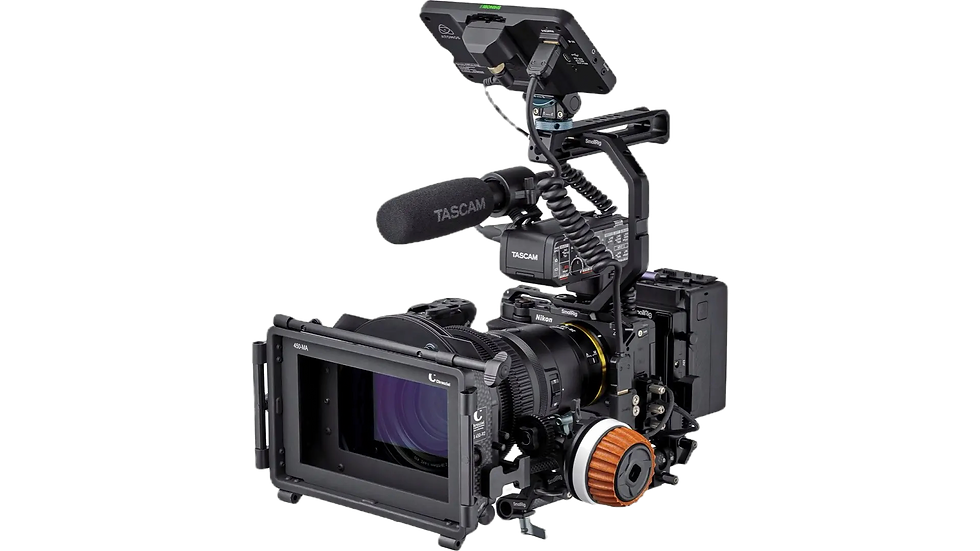
While the ZR supports F-mount lenses, its functionality is limited compared to its native Z lenses. This can create challenges for filmmakers seeking a broader range of creative options. The available Z lens options lack the professional cine-quality lenses, which may restrict shooting potential, particularly in demanding visual environments.
Furthermore, while the inclusion of RED codec and RED Log sounds impressive, these elements do not solely define the usefulness of a cinema camera. Reliability under pressure is vital. For instance, many cinematographers prioritize performance factors like ergonomics and thermal stability during shoots, meaning that specs without real-world applicability can be misleading.
The Crop Factor: 4K/120p Limitations
An essential detail to consider is the Nikon ZR’s ability to shoot at 4K/120p, which is only available in crop mode. This limitation cuts into the field of view significantly. For filmmakers working with wide-angle shots or expansive landscapes, this translates to a loss of creative possibilities.
The Canon C50, on the other hand, offers full-frame 4K capabilities without such restrictions. This freedom enables filmmakers to utilize a wider range of shots, enhancing their storytelling potential significantly.
Audio Features: The OZO Audio Dilemma
The Nikon ZR promotes OZO Audio technology for improved sound, yet this feature is disabled during higher-end recording formats like R3D NE and Apple ProRes RAW HQ/422 HQ. This reality limits its utility for professionals aiming for top-tier audio quality in a range of scenarios.
In contrast, the Canon C50 maintains consistent audio quality across various settings, which can be crucial for filmmakers who prioritize sound. A documentary filmmaker mentioned that reliable audio capture is often as critical as the visuals, making the C50 a comfortable choice for recording important sound events, interviews, and ambient audio.
Reliability and Ergonomics: The True Test of a Cinema Camera
From an ergonomic standpoint, the Canon C50 is designed for comfort during extended shoots. Its user-friendly layout allows filmmakers to make quick adjustments without distraction. This thoughtful design can enhance the creative process by letting the operator focus on storytelling.
In contrast, the Nikon ZR, while featuring advanced technology, often feels more experimental. With shortcomings in thermal management and complications in high-frame-rate settings, these issues can create challenges on set, detracting from the overall filmmaking experience.
The Importance of Choosing the Right Camera
When selecting a camera, filmmakers must consider their specific needs. The Canon C50 stands out for its reliability and user-friendly features. It is designed to support filmmakers in various scenarios, from action-packed sequences to long documentary shoots.
On the other hand, the Nikon ZR, while appealing with its specifications, may not deliver the same level of performance in real-world conditions. Filmmakers should weigh the importance of features like stabilization, audio quality, and ergonomics when making their decision.
Closing Thoughts: The Canon C50 vs Nikon ZR Showdown
While specifications are vital to the decision-making process, the Canon C50 emerges as a true cinema camera tailored for reliability, stabilization, and an extensive lens ecosystem. The C50 may not boast flashy numbers on paper like the ZR, but its practical design caters to the real needs of professional filmmakers.
Filmmakers should prioritize functionality and how each camera aligns with their production methods. The Canon C50 promises a dependable experience for serious projects, while the Nikon ZR's appealing specs may fall short in rigorous production scenarios, showing itself to be simply a dressed-up option without the depth required for demanding shoots.
Ultimately, deeply considering the practical implications of each camera will guide filmmakers to select the right tools for expressing their creative visions.


Comments